Annual Report
2024-2025
John Hope Franklin
Humanities Institute
The body of scholarship associated with the humanities and interpretive social sciences analyzes how people have made sense of the world they live in. At the John Hope Franklin Humanities Institute, we provide a home for the pursuit of knowledge attuned to understanding how language, mediation, culture, image, and the production of art provide insight into the world we make.As one of eleven university-wide institutes, initiatives, and centers at Duke, the FHI is a key incubator of interdisciplinary, cross-school creative and scholarly collaboration on the arts, new and old technologies, and inquiry in historical and global frameworks.We consider both formative long-standing paradigms about what it means to know, think, be alive, have joy, or be human or not alongside "grand challenges" like climate change, health, violence, poverty, and democracy. These human sciences are the core of the university as they engage the fundamental questions concerning what it means to know, and how we create.
25 Years of Humanities Work
We celebrated our 25th anniversary in Duke’s Centennial year. The humanities have been central to Duke’s rise to national and global prominence. Our namesake John Hope Franklin was perhaps best known for his work redefining US and world history. Co-founders Cathy N. Davidson and Karla F. C. Holloway made sure the institute built on that legacy through research, teaching, community engagement, and many collaborations.
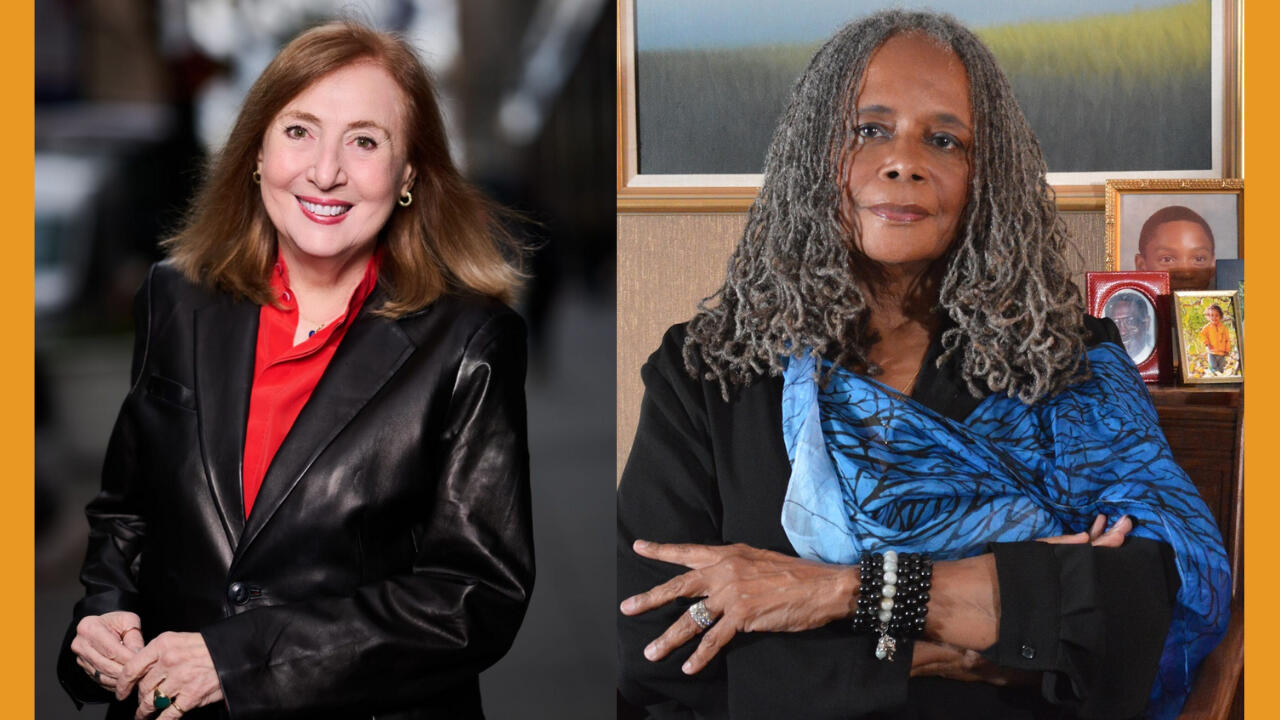
Selections from our FHI 25 YouTube Series:
↳ The Transformation of the Humanities in the 80's
with Stanley Fish and Jane Tompkins↳ Experimentation, Incubation, and the Making of Humanities Labs↳ The Project of Reshaping Scholarship in Conversation with Duke Press

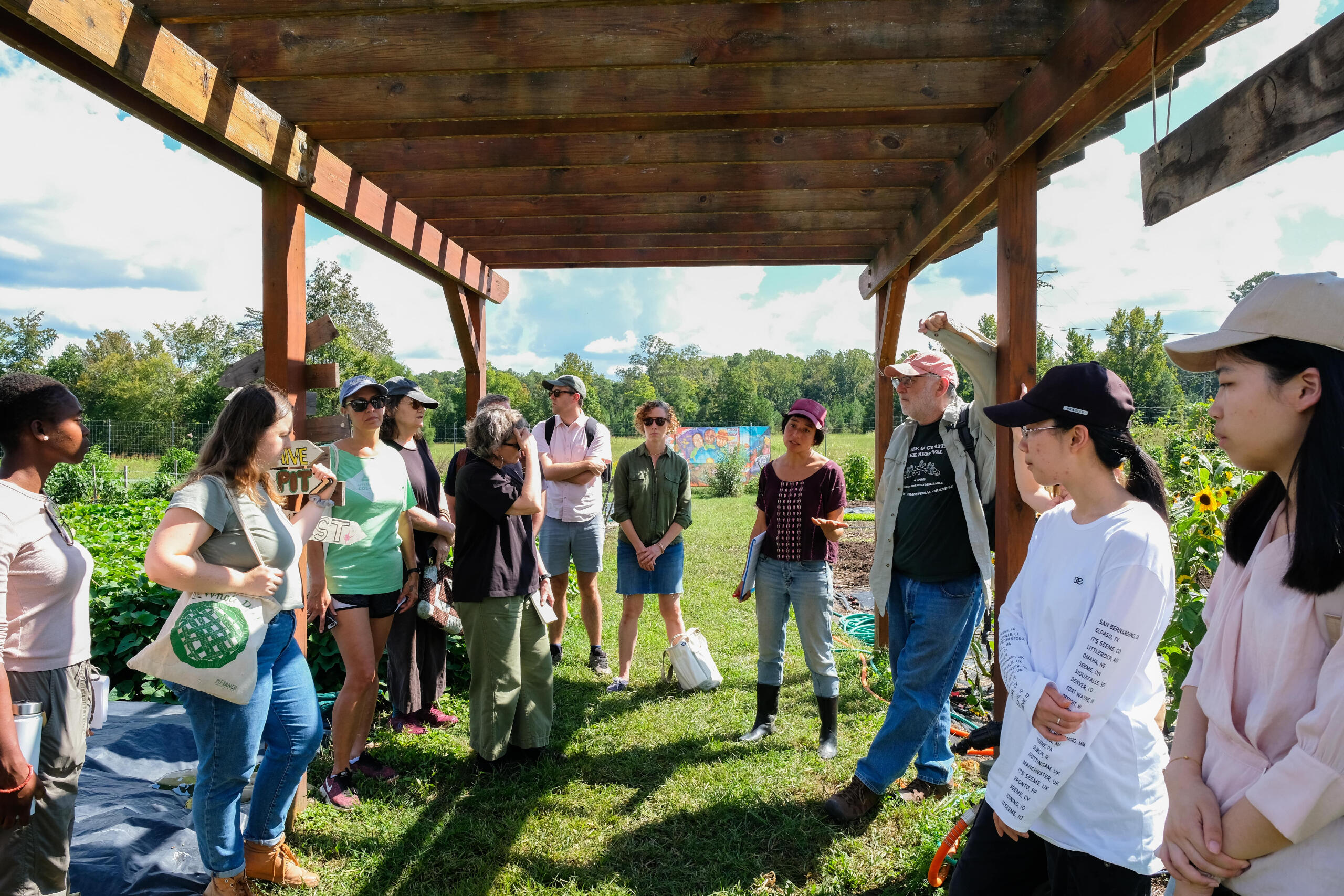
Projects in Environmental Humanities
Through projects in environmental humanities, we explored how histories of land, labor, and climate continue to shape our present—linking ecological insight with social and historical understanding.
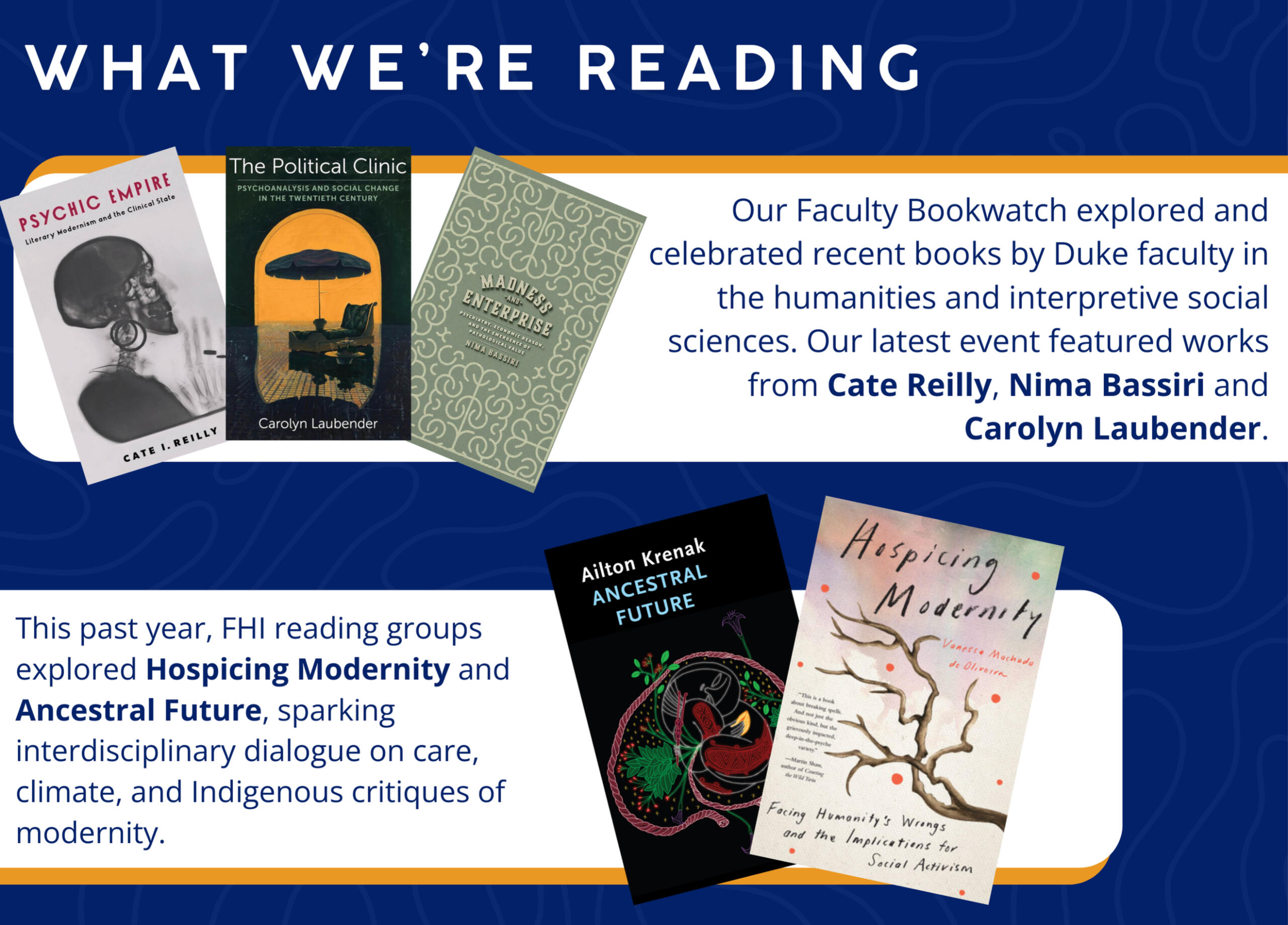
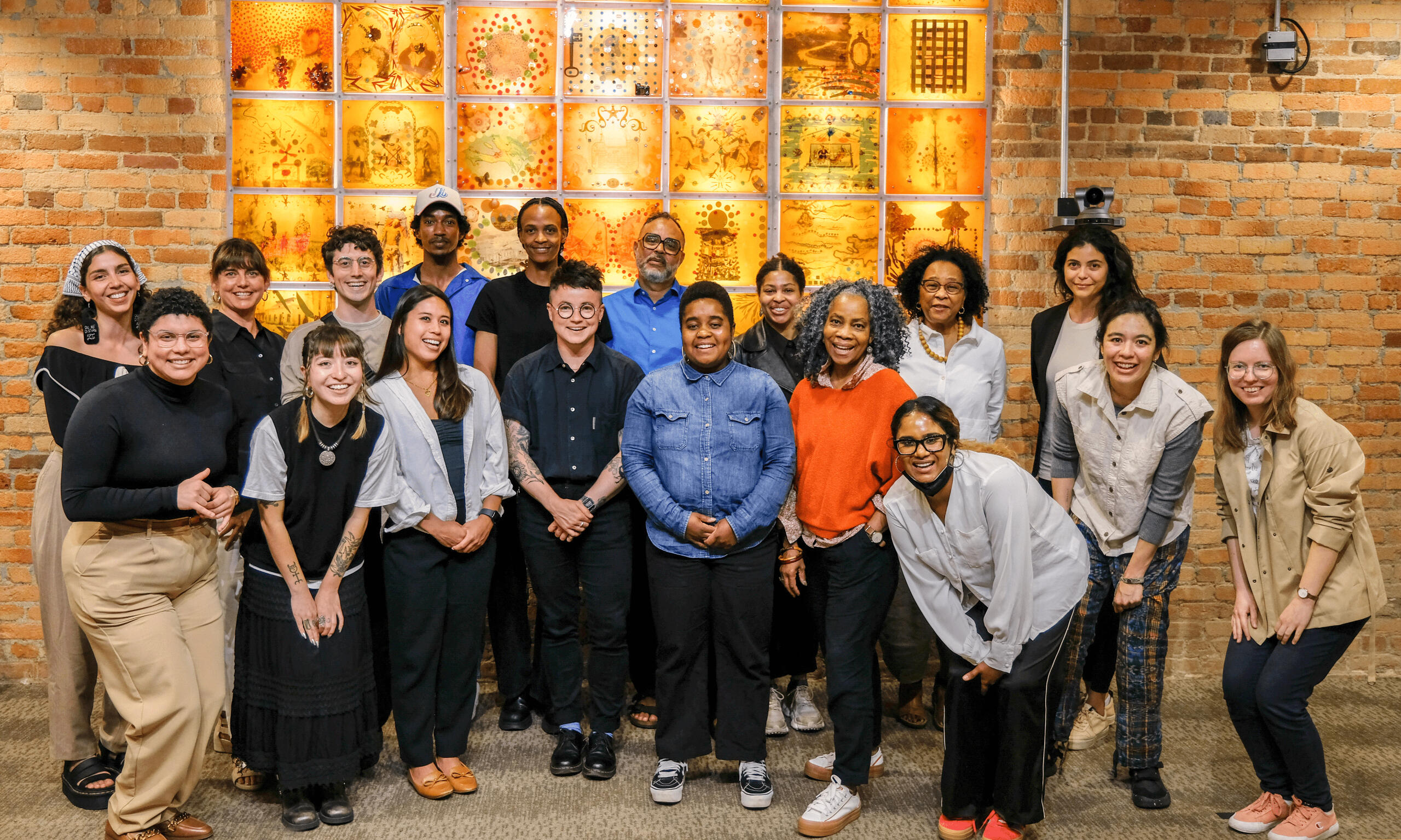
Empowering Future Researchers and Practitioners
From graduate student working groups and workshops to an undergraduate certificate program, the FHI continues empowering future humanities experts by addressing the grand challenges of our time.
Making an Impact through the Humanities
Our work takes place through Humanities Labs, speaker series, workshops and conferences, book manuscript workshops, working groups, and other collective forms. These projects work in tandem, recognizing the significant, dynamic impact of cultural production on the development of political spaces and academic disciplines.

‘Left of Black’ Video Series Wins Gold Davey Award

How The Black Archival Imagination Lab Engages History

Book Manuscript Workshops Keep Fostering Academic Excellence

Fellowship Brings Graduates Closer to the Work of Theorist Stuart Hall

The Groundwork and Impact of Environmental Humanities


Learn More About
Our Impact
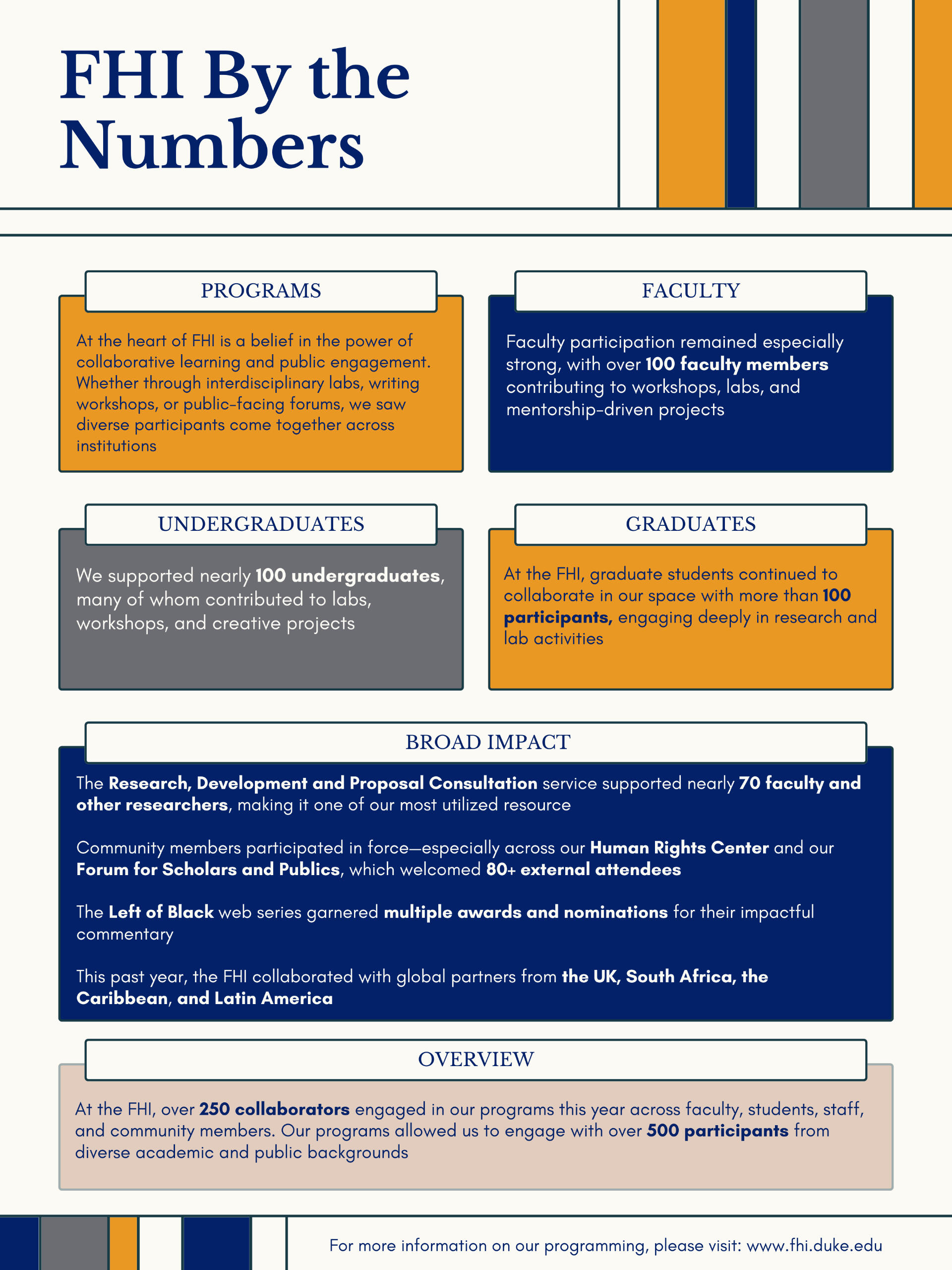
This year, over 500 collaborators engaged with our programs—spanning faculty, graduate and undergraduate students, staff, and community members. The data on the following pages offers a snapshot of that reach: not just who showed up, but how our spaces continue to foster connection, scholarship, and public engagement across roles and disciplines.